








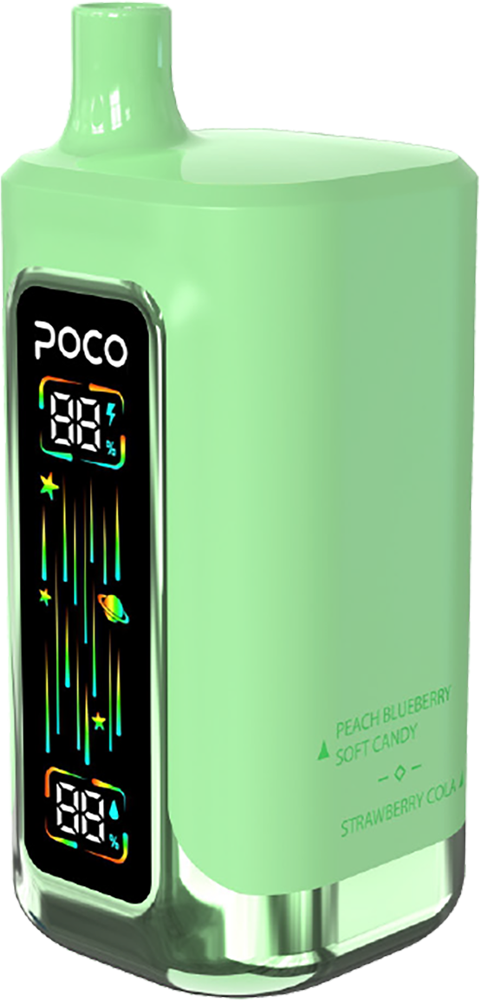


The disposable vape industry has expanded rapidly, becoming one of the fastest-growing categories in the nicotine sector. Regulatory changes across the EU, UK, USA, Germany, France, and Asia are reshaping wholesale operations and compliance standards.
For B2B buyers—importers, distributors, wholesalers, and retail chain purchasing managers—understanding regulatory trends is essential for minimizing risk and maintaining stable supply.
This article provides a detailed 2025 analysis of global regulations and how they impact wholesale supply chains.
1. Why Disposable Vape Regulations Are Tightening Worldwide
Several key factors are driving increased government attention:
(1) Youth-access concerns
Many countries report rising youth vaping rates. Regulators aim to protect minors by limiting flavors, nicotine strength, and disposables availability.
(2) Environmental impact of disposable vapes
Billions of lithium-battery disposables end up in landfills annually. Governments are responding with recycling rules or restrictions on single-use devices.
(3) Lack of standardized compliance in imports
Some markets face issues with counterfeit or non-compliant devices, pushing for:
- Stricter customs inspections
- Required test reports
- Importer responsibility regulations
(4) Pressure from tobacco & health groups
Lobbying accelerates regulation, especially in the EU and USA.

2. 2025 Disposable Vape Regulations by Major Markets
Below is a data-supported table summarizing current regulatory status in key regions.
Table: Global Disposable Vape Regulatory Landscape (2025)
| Region | Nicotine Limit | Device Restriction | Flavors | Key 2025 Regulations | Impact on Wholesale |
|---|---|---|---|---|---|
| EU (TPD) | 20 mg/ml | 2ml tank | Limited | TPD compliance; packaging rules | Stable demand; strict documentation |
| Germany | 20 mg/ml | 2ml limit | Allowed except youth-targeting | Strong customs checks; packaging rules | Need EU-authorized supplier |
| France | 20 mg/ml | 2ml | Under review | Anti-waste proposal; possible ban | Future change risk |
| UK | Possible 20 mg/ml | Disposable ban expected late 2025 | Flavors review | Expected full disposable ban | Buyers shifting to pods |
| USA | No national limit | FDA PMTA required | Many unapproved flavors banned | Enforcement increasing | High-risk market for importers |
| UAE | 20 mg/ml | No major ban | Popular flavored vapes allowed | ESMA certification | Strong growth market |
| China | 20 mg/ml domestic | Exports allowed | Broad export flavor options | Export compliance tightened | Reliable production hub |
3. How Regulations Influence Wholesale Supply Chains
3.1 Lead Time Increases Due to Compliance Documentation
EU markets require:
- TPD registration
- lab test reports
- ingredient disclosure
- packaging compliance
3.2 Shift Toward Refillable / Pod Systems in Certain Markets
Because disposables face restrictions in the UK, USA, France, and Australia, wholesalers now shift inventory strategy to:
- Pre-filled pod systems
- Closed pod kits
- Long-lasting rechargeable devices
Wholesale buyers in Germany and EU still maintain strong demand for disposable vapes, as TPD allows them.
3.3 Growing Demand for Compliance-Ready, Tested Devices
Importers now ask factories for:
- Full COA testing
- Battery safety reports
- material safety sheets (MSDS)
- Child-resistant packaging
- Anti-counterfeit codes
Suppliers who cannot provide documentation lose market access.
3.4 Customs Seizure Risk Increases in EU & USA
The number of seized shipments has grown due to non-TPD or non-PMTA compliance.
Reliable supply chains now require:
- tested, certified products
- correct labeling
- serial tracking
- transparent ingredient disclosure
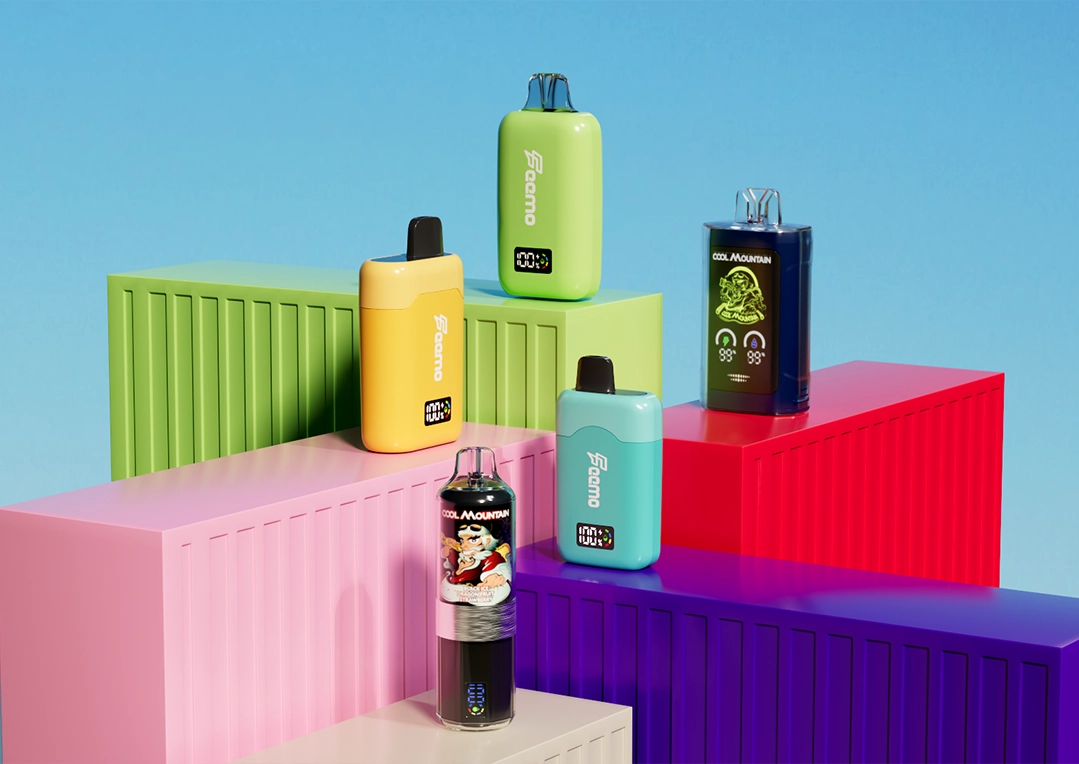
4. 2025 Product Trends in Disposable Vape Wholesale
Regulatory pressure is pushing several new categories mainstream:
(1) Rechargeable disposables
Eco-friendlier and widely compliant.
(2) Nicotine-free disposables
Huge growth in Germany and parts of Europe.
(3) Eco-friendly materials
Biodegradable shells; recyclable battery structures.
(4) 2ml TPD-compliant mini disposables
Still strong sellers throughout Germany, Netherlands, Belgium, and Spain.
(5) Large-puff devices for non-EU markets
For UAE, South America, and Asia.
5. What Buyers Should Ask Before Choosing a Disposable Vape Supplier
To avoid risk and ensure stable supply, wholesalers should verify:
- Does the factory have experience with TPD / PMTA / ESMA export?
- Are full compliance documents available?
- Is the brand registered?
- Is the factory ISO-certified?
- Are batteries from certified manufacturers?
- Does the supplier offer OEM/ODM customization?
- Can they provide anti-counterfeit labels?
- Are flavors approved for export regions?
6. Germany Case Study — Strongest Disposable Vape Demand in EU
Germany offers the most stable disposable vape market in Europe due to:
- High number of vape stores & kiosks
- Clear TPD enforcement
- No immediate ban on disposables
- High adult switching rate from tobacco
Market Statistics (2024–2025)
- Over 6 million adult vape users
- Disposable category grew 38% year-over-year
- Wholesale demand predicts +25% growth in 2025
- Germany is now Europe’s largest disposable vape importer
Germany remains a critical market for wholesale distributors.

7. How Wholesalers Can Prepare for Future Regulatory Changes
1. Diversify product types
Add refillable pods, 0mg disposables, and compliant 2ml devices.
2. Build long-term relationships with certified factories
Avoid high-risk, low-compliance suppliers.
3. Keep documentation ready for customs
Especially ingredient lists, lab reports, and TPD notifications.
4. Monitor regulatory news monthly
This allows importers to adjust purchase cycles in advance.
9. Conclusion
The disposable vape industry is entering a regulatory transformation in 2025, and wholesalers must adapt quickly to maintain stable inventory and profitable operations.
The key is choosing compliant, documentation-ready suppliers and following global market developments closely.
Businesses that understand regulatory trends will stay ahead of competitors and maintain long-term growth.